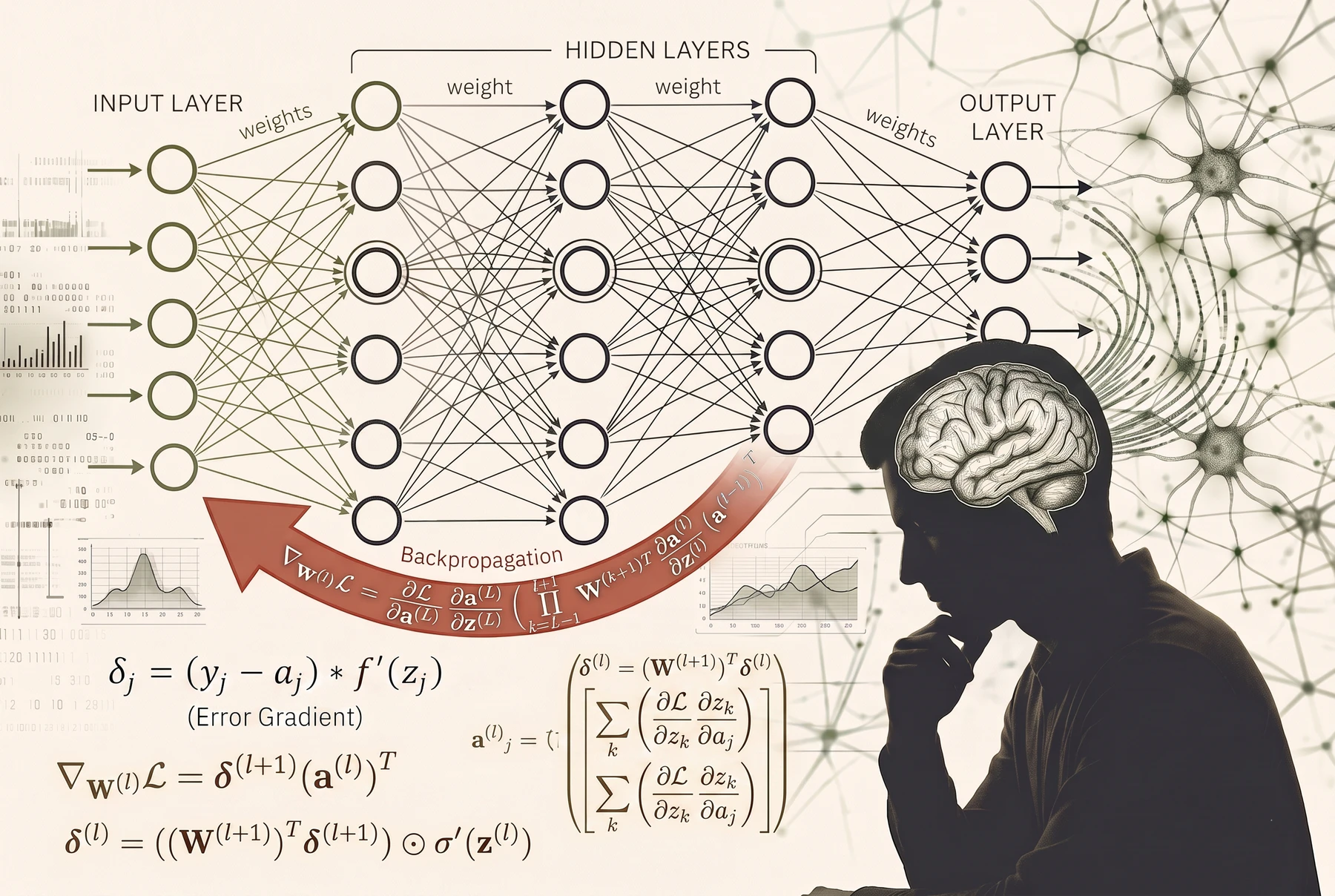
One of my insights, which I found recently, is related to how AI has been developed in this few past years. So far, human is still required to check and verify the AI answer. Current model, in 2026, we know how far AI has come. 3 years ago, I still found AI struggling even to solve a high school mathematics problem. Even 2 years ago, in 2024, I still found that AI could barely solve it. But now, I test all frontier AI models from the mid-tier, like Gemini Flash 3.6 and Sonnet 5; they can solve an International Physics Olympiad problem in just 5 minutes. A problem that I took an hour to solve myself. Current AI could also solve a mathematics problem let say, for an hour, and it takes 5 hours for us to check and verify the answer. This level of problem, ofc, doesn’t become a big thing anymore for frontier models. AI now could compete with the best of us in science.
So what’s next? I believe that the next breakthrough we need is to make AI solve a research problem at a level. Let’s say the Navier-Stokes equation, P vs NP, or the Riemann hypothesis problem. It is quite clear that AI would attack those problems pretty soon. At this level, we simply don’t have the human bandwidth to review all these proofs.
And let’s take a look at how AI model trained. They are trained by taking data from the internet, which is from humans, post-training them with human feedback, and so we’re essentially baking in the cognitive biases and the flawed reasoning of humans into these future engines of discovery. So here we finally arrived at the destination, and the conclusion is, in some sense, obvious. Humans are becoming the bottleneck in the verification of AI.